How to Spot Fake Ajwa Dates: A Buyer's Authenticity Guide
Ajwa carries real religious and cultural significance for Muslim consumers, tied specifically to Madina, Saudi Arabia — which is exactly what makes it both expensive and, unfortunately, one of the most frequently mislabeled dates on Indian shelves. If a listing calls something "Ajwa" but looks nothing like the real thing, it's worth slowing down before you buy. Here's what actually separates genuine Ajwa from a mislabeled substitute.
What genuine Ajwa actually looks and tastes like
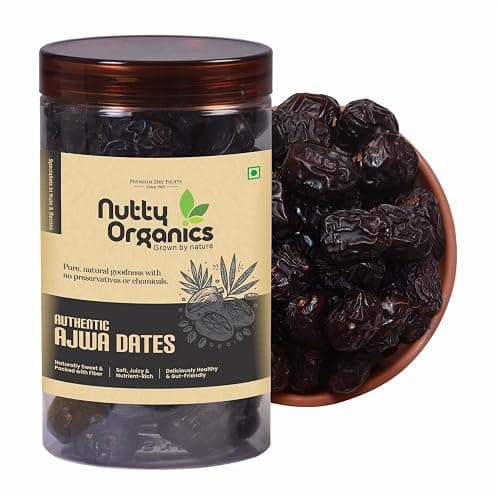
Real Ajwa is small and notably dense for its size, with a dry, matte, wrinkled skin — closer in texture to a raisin than to a soft Medjool. Its flesh is firm and fibrous rather than soft and syrupy, and the flavor is mild, slightly smoky and less intensely sweet than Medjool or Kimia.
Genuine Ajwa is grown specifically in the oases around Madina, Saudi Arabia. That single-region origin is central to its religious significance and is also the first thing a mislabeled product usually can't honestly claim.
Why 'Ajwa' gets mislabeled so often
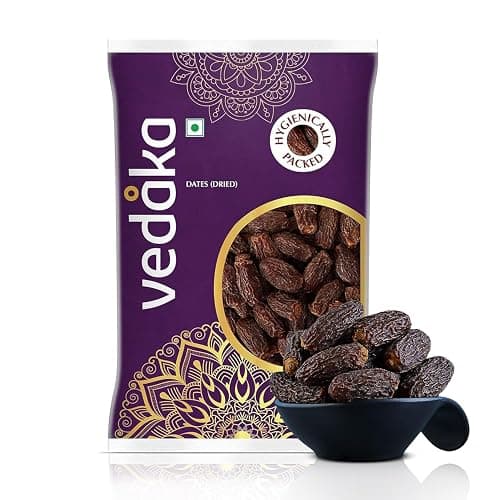
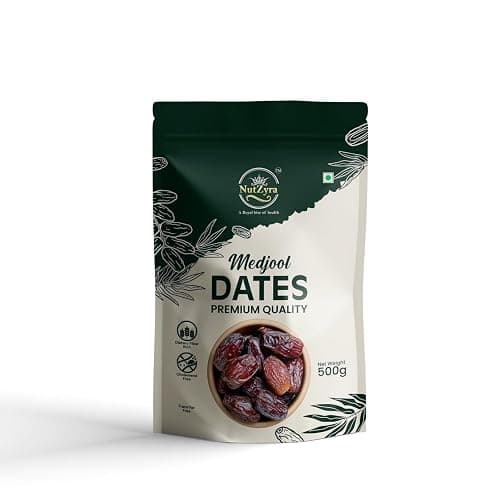
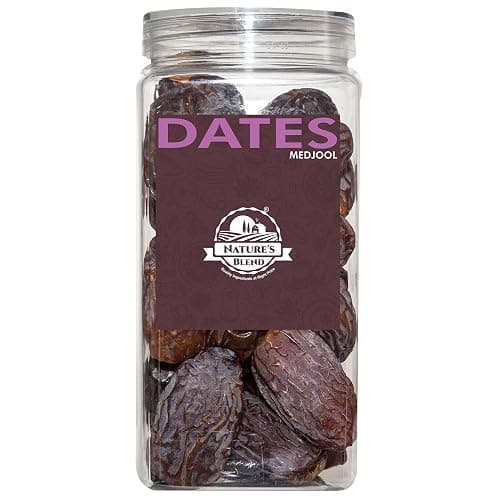
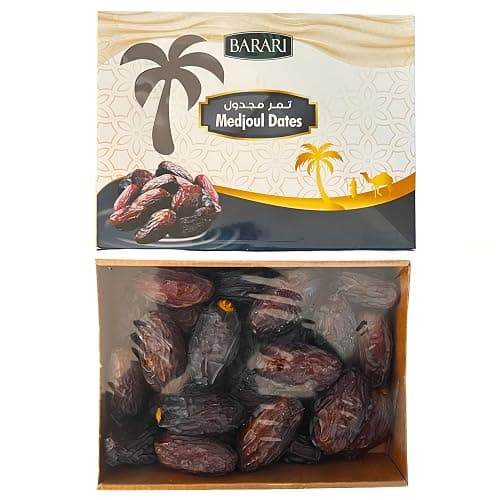
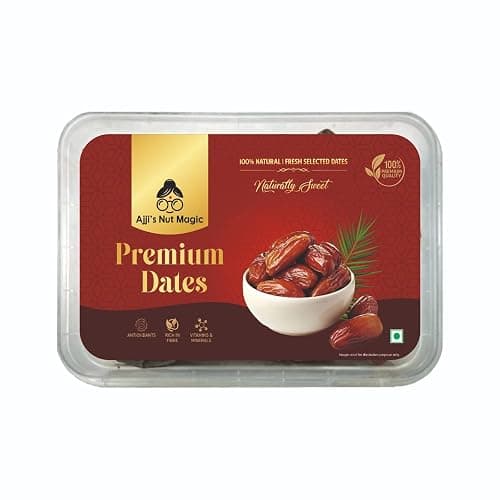
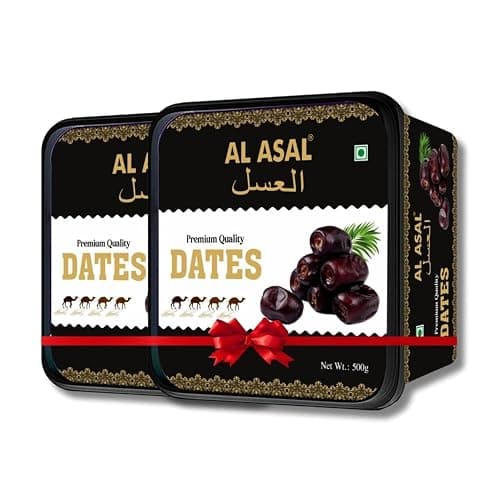
Because Ajwa commands a real price premium and strong, specific buyer intent, it's a tempting label to slap on a cheaper, unrelated variety — most often a soft, glossy, Medjool-like date sold as "Ajwa" despite looking nothing like it. If a date labeled Ajwa is large, glossy and soft rather than small, matte and dense, that's the clearest visual red flag.
This isn't unique to India or to dates — any premium, hard-to-verify food product with strong brand/origin significance attracts this kind of mislabeling. The same caution that protects buyers of saffron, honey or olive oil applies here: a suspiciously low price on a premium-labeled product is a red flag, not a bargain.
Aliyah vs Madinah — a real grade distinction worth knowing
Within genuine Ajwa, sellers sometimes distinguish "Ajwa Al-Aliyah" from "Ajwa Al-Madinah" — Aliyah generally referring to a higher grade grown in specific, more selective orchards, and priced accordingly higher per kilo. This isn't marketing noise; it's a real sub-distinction buyers searching for premium Ajwa specifically look for.
If a listing uses the "Aliyah" name, it should also be priced meaningfully above standard Ajwa — a listing calling itself "Aliyah" at a bargain price relative to other Ajwa listings is a signal to double-check the seller's origin claims.
Practical checks before you buy
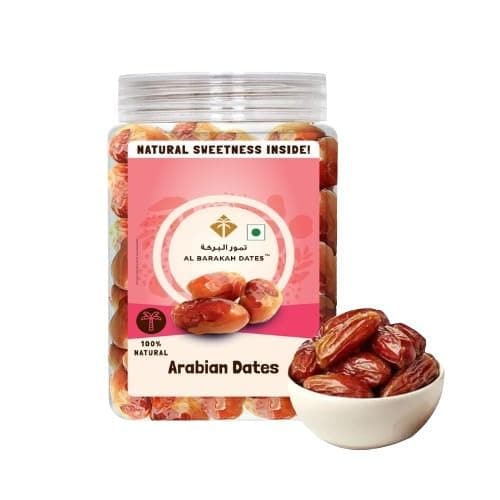
Check the stated origin: genuine Ajwa is tied to Madina, Saudi Arabia specifically — a listing with no origin claim, or a vague "Arabian" or "Saudi" label instead of naming Ajwa and Madina together, deserves more scrutiny.
Check the photos against the texture described above: small, dense, matte and wrinkled, not large, glossy and soft.
Compare price-per-kg against other Ajwa listings, not just other dates in general — genuine Ajwa sits at a real premium, and an outlier-cheap "Ajwa" listing is more likely mislabeled stock than a genuine deal.
Look for an FSSAI mark and a legible best-before date, the same baseline checks that apply to any packaged food purchase.